Access Control for Construction Sites – Keep the Site Under Control from the First Shovel Full
A construction site has more users and less oversight than any other phase of a construction project. Trade teams come and go, subcontractors change along the way, and keys are handed out faster than they are collected.
A construction site is not a temporary exception to safety rules. It is the phase where the most accidents occur.
Access control for construction sites shifts access from keys—which no one keeps track of—to access rights with an expiration date. The subcontractor has access for the duration of the work. After that, access is automatically revoked.
At Keypartner, we handle construction projects, development projects, and new construction, and we take responsibility for both security during construction and the locking system that the building will use afterward.


Why Choose Access Control for Construction Sites
Tools and materials are attractive, and it’s difficult to keep a construction site secure when so many people are coming and going every day. Electronic access control makes it possible to secure the site without getting in the way of the work.
Access with an expiration datePermissions are granted for the period during which a professional group is actually on site. No one has to remember to revoke anything afterward.
No keys to collect
If a piece disappears, block it off in the center. The locks remain in place, and the rest of the board continues to move.
Records of who was where
The access log shows which user accessed what and when. This is useful when materials are missing or when a sequence of events needs to be reconstructed.
A setup that can be moved
The layout changes as construction progresses. Electronic devices can be repositioned as the temporary structures and storage areas are moved around.
Take the next step in securing your construction site
We’ll start with a tour of the site and a review of the construction plan. After that, you’ll receive a recommendation and a quote, along with clear guidance on what decisions should be made now—because it will be more expensive later.
Call us at 82 82 82 09 for a no-obligation chat. We'll take care of everything so you don't have to worry about any loose ends.

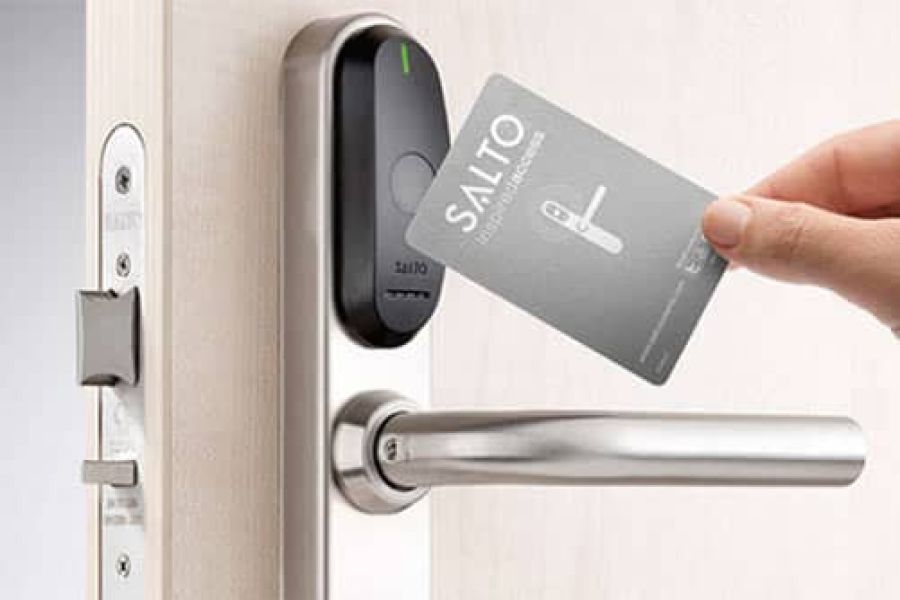
Somersault
Salto's access control solutions are scalable and can be adapted to any need, making them ideal for both small businesses and large, complex facilities.
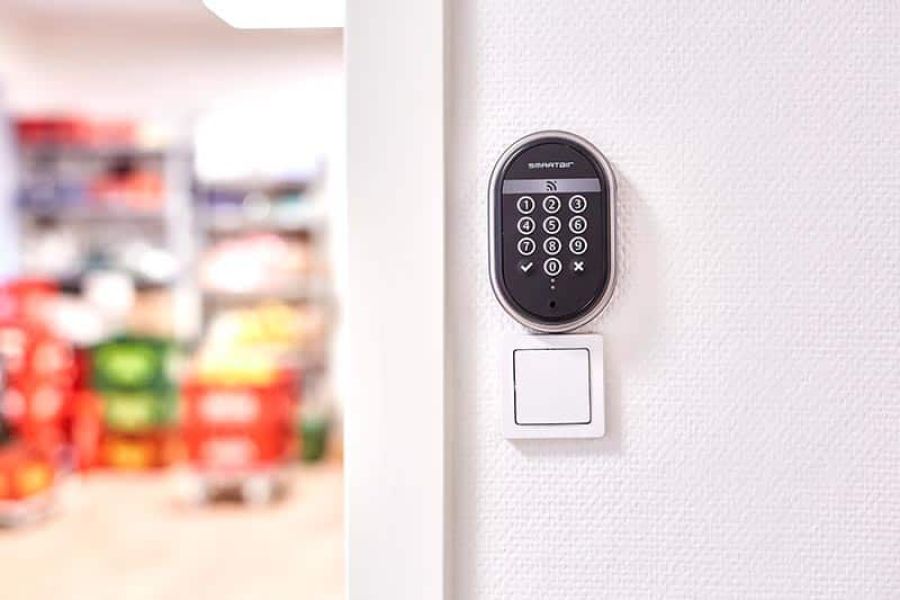
SimonsVoss
One of the most notable features of SimonsVoss systems is their wireless locking systems that allow users to control access without the use of traditional keys, reducing complexity and increasing security.
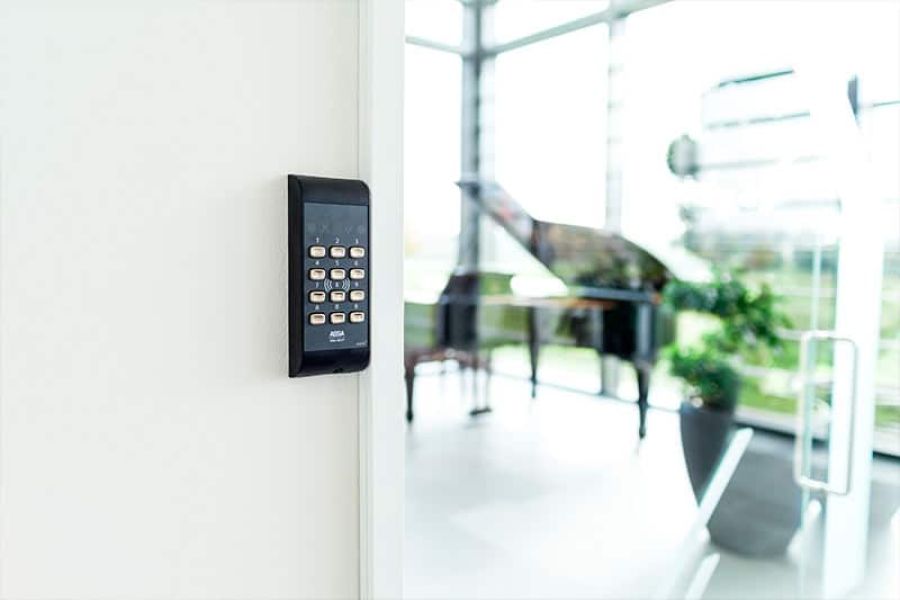
Iloq
Iloq is known for its innovative approach to access control, offering solutions that do not require batteries or external power supply for their locks.
ARX – Access Control
Arx access control systems are systems suitable for a variety of applications, including commercial buildings, public institutions and industrial areas.
Smartair
Smartair's biggest advantage is the ability to easily upgrade existing locks to electronic access control without the need for extensive remodeling.
CLIQ
CLIQ access control combines traditional locking systems and electronic access control with programmable smart keys. It is therefore an easy solution without the use of cables.