Many people have experienced locking themselves out of their apartment, house, or car. In such situations, one typically calls a locksmith—this is the case today, and it has always been so.
However, the locksmith profession has undergone significant development in recent years. Here in 2018, being a locksmith therefore involves more than just opening doors in unfortunate situations. Locksmithing has become a much more technological profession, offering a wide range of electronic solutions.
In this article, KEYPARTNER will take a closer look at how the locksmith profession has developed in a technological direction in recent years.
The modern locksmith uses technology to secure workplaces
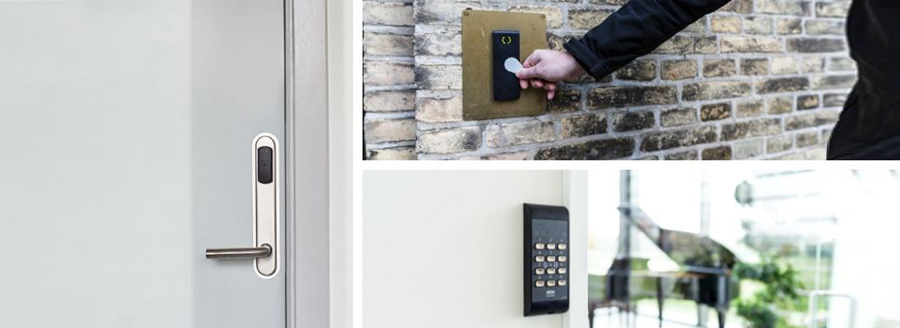
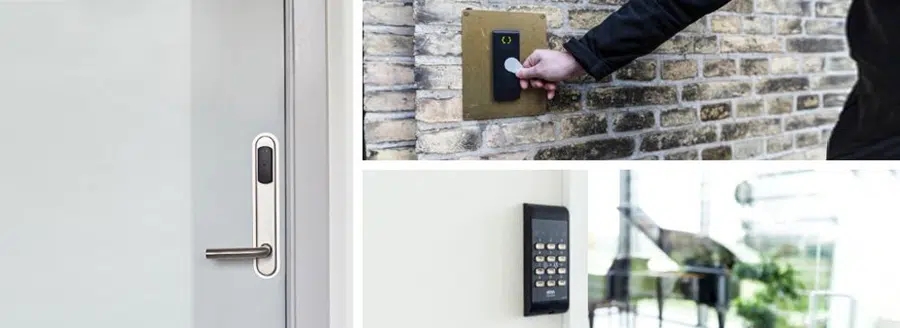
Instead of a mechanical locking system consisting of a regular key and lock, an increasing number of workplaces now use electronic locking systemsAmong other things, this ensures that the entire locking system does not have to be replaced if one or more employees' keys are lost. At the same time, this system allows workplaces to create greater security regarding who is in the building and when people come and go.
In 2017, there were 13,795 burglaries in Danish companies and 17,771 shoplifting incidents in Danish stores. If more Danish buildings were secured with electronic locking systems, the figures might look different, as 90% of Danish buildings (according to statistics obtained by KEYPARTNER) still use ordinary locks on their doors rather than electronic access control.
READ ALSO: Access control provides increased flexibility and enhances security
Private individuals replace the key with their phone
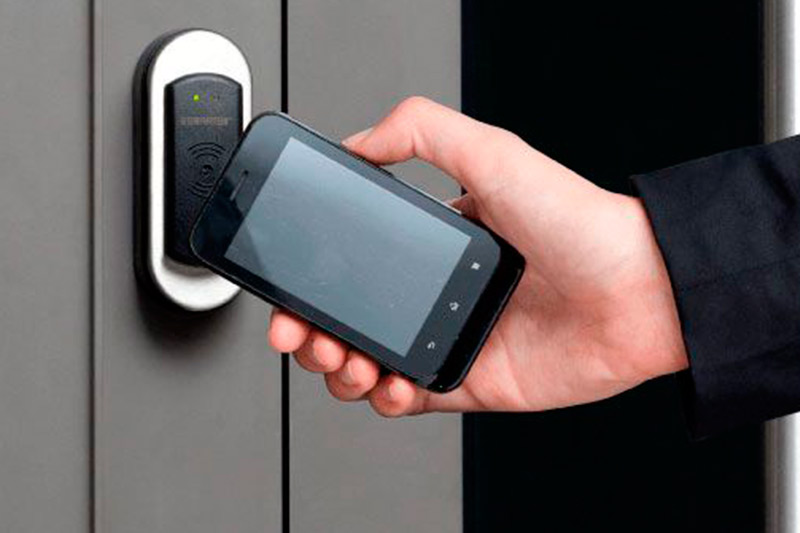
An increasing number are being installed in private homes. electronic locking systemsThese systems can be controlled via phones/smartphones, which has caught the interest of many families with children who have problems with their children losing their house keys. Parents can send a code to their children via their phone so that they can enter the home. This solution is smart in an age where, according to a investigation, are only 8.5 years old on average when they get their first phone. The figures show that technology is only going in one direction, and that is forward.
Temporary access codes can also be assigned with an electronic locking system if a household is visited by cleaners, tradespeople, or similar. It is always important that the locksmith can offer the right solution – whether the focus is on online or offline locking systems for the household.
What does technological development mean for locksmiths?
Technological developments mean that locksmiths must familiarize themselves with all new locking technologies. In order to best secure workplaces and private households, locksmiths also need further training and specialization. KEYPARTNER is ISO 9001 certified in ADK, MEK, AIA (access control, mechanical security, automatic burglar alarm systems) and thus approved by F&P (Insurance & Pension).
In addition, our employees ongoing training courses, so that we are always up to date with the latest developments in the industry. Recently, several of our fitters have been certified in the installation and assembly of fog protection systems, among other things.
What does the future look like for the locksmith?
The locksmith profession has not changed its fundamentals. There are still tasks that locksmiths have always performed. Nevertheless, the locksmith profession is undergoing significant technological development these days with electronic locking systems that optimize the solutions that locksmiths typically provide. First and foremost, the goals are to secure workplaces and private households against theft, burglary, and unwelcome guests, but at the same time also to ensure better functionality, easier options if you lose your key, and an overview of who comes and goes on your property.
Are you interested in seeing which municipality is most at risk of burglary in Denmark? Then you can read KEYPARTNER's analysis on this very topic. here.